Understanding a closed guard
The closed guard is a powerful position because it allows you to both push and pull on an opponent. This is most often done by hand fighting to avoid the opponent basing on you or gripping you and using various knee pulls. Closed guard should be thought of as a starting position, because in most cases you will exit the closed guard to attack people.
Holding and Controlling A Closed Guard
- Holding a closed guard
- Opponent is looking to become vertical
- We then on knees, and posture broken to at least at 45 degrees posture
- If their head is in front of the hips break them forward
- If their head is above their hips break them backward
- Dealing with two hands on belt and elbows into thighs threat.
- Grab Elbows and pull out
- Do a knee pull
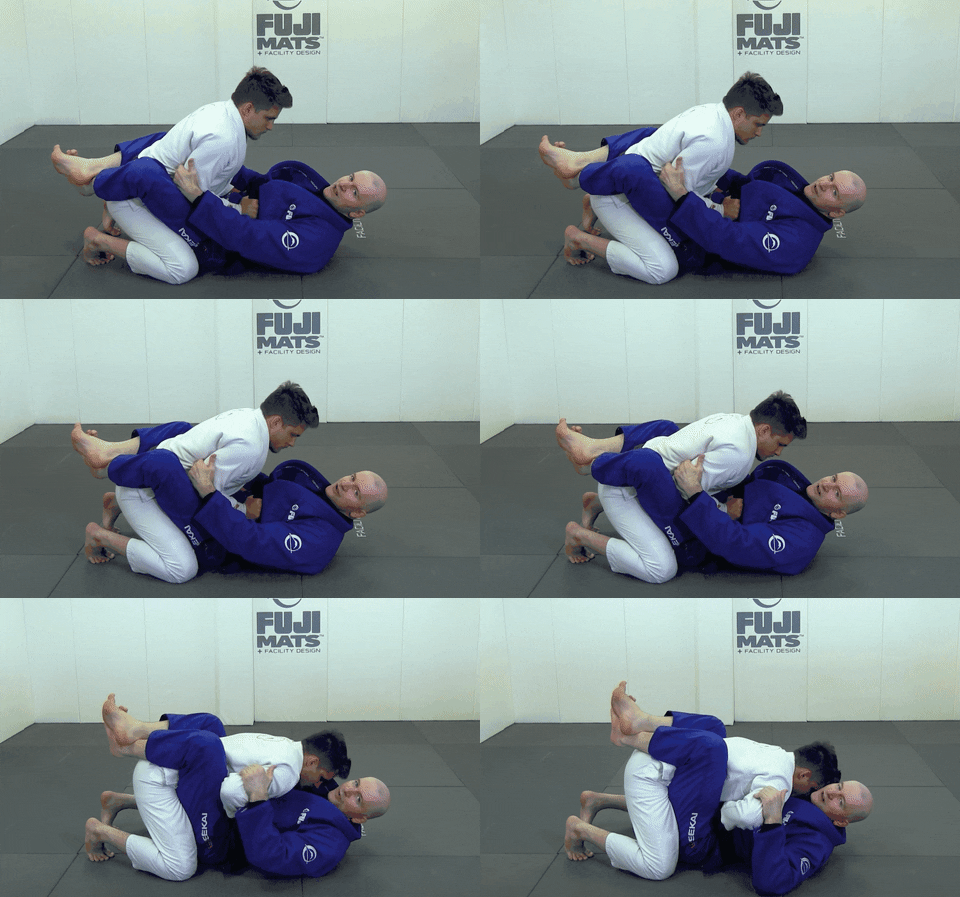
- Dealing with lapel grips and bracing
- Standard
- Sleeve cuff grip
- Weave other hand under and grab own wrist
- Grip break
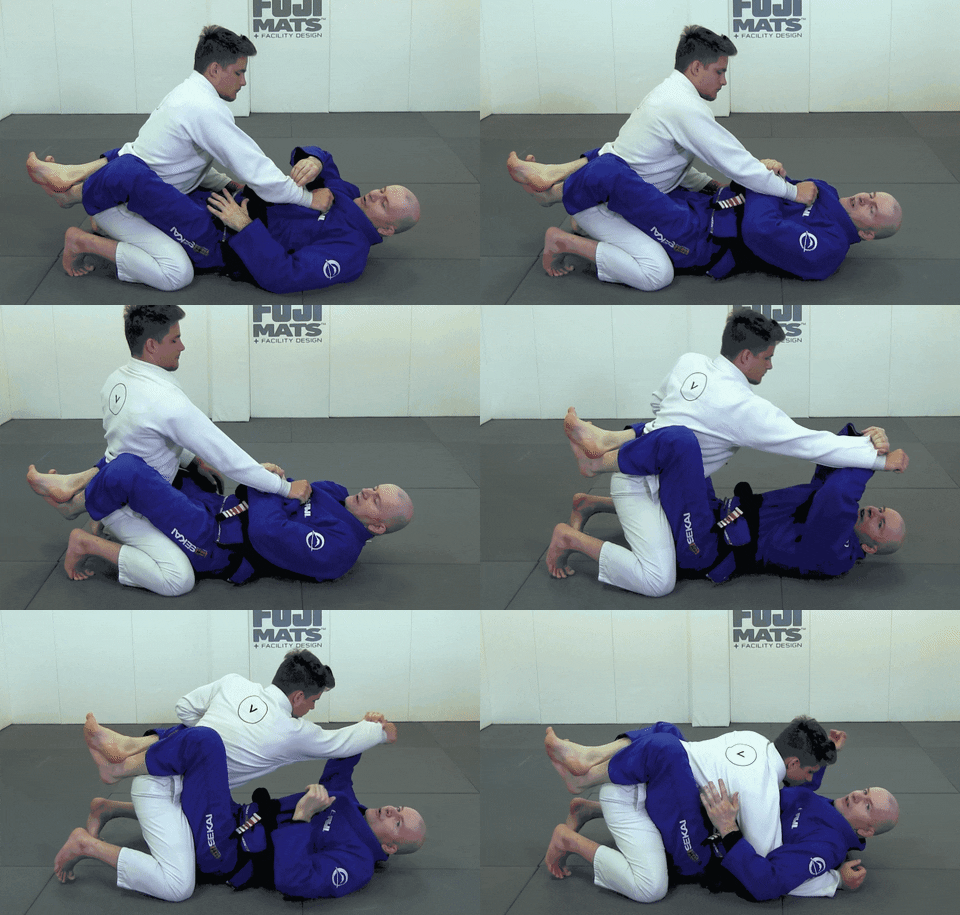
- If they hide elbow by bringing it to floor
- Hand to inside
- Reach over back
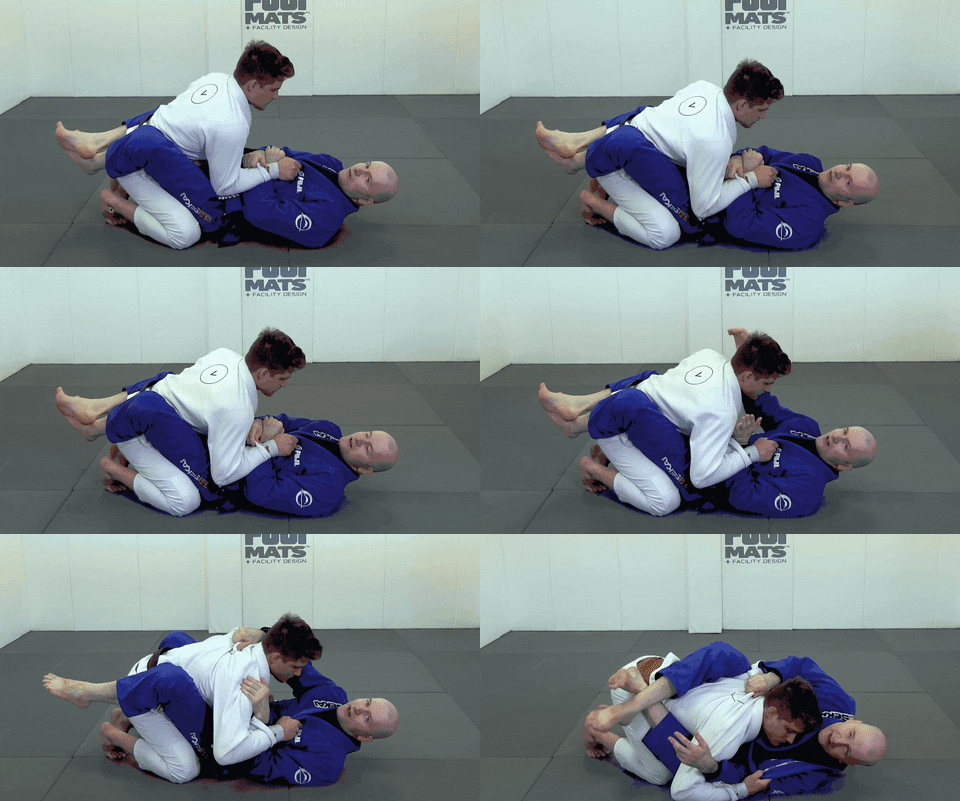
- Standard
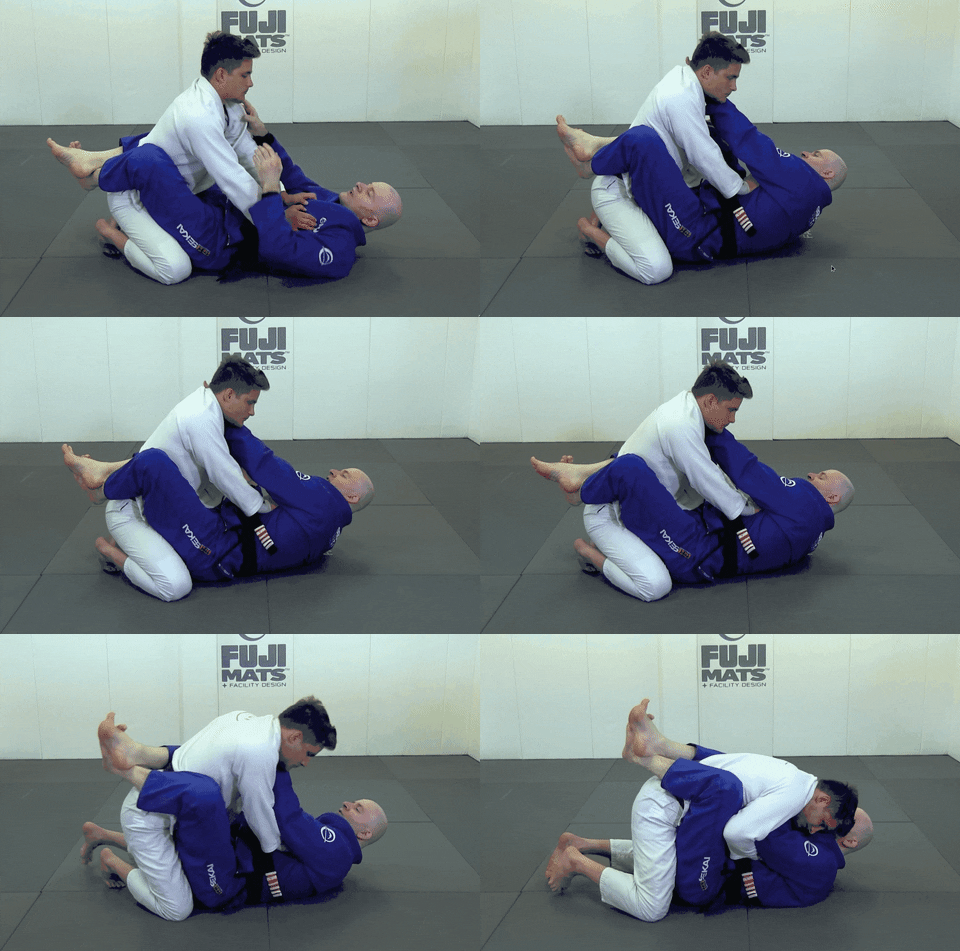
- Breaking posture
- Knee pull
- Pull up and forwards. Think knees to armpits
- Do not pull directly forward
- Hips should be higher than opponents by arching spine allowing for a stronger pull (not shown if Gif)
- Use knees to pull and not feet
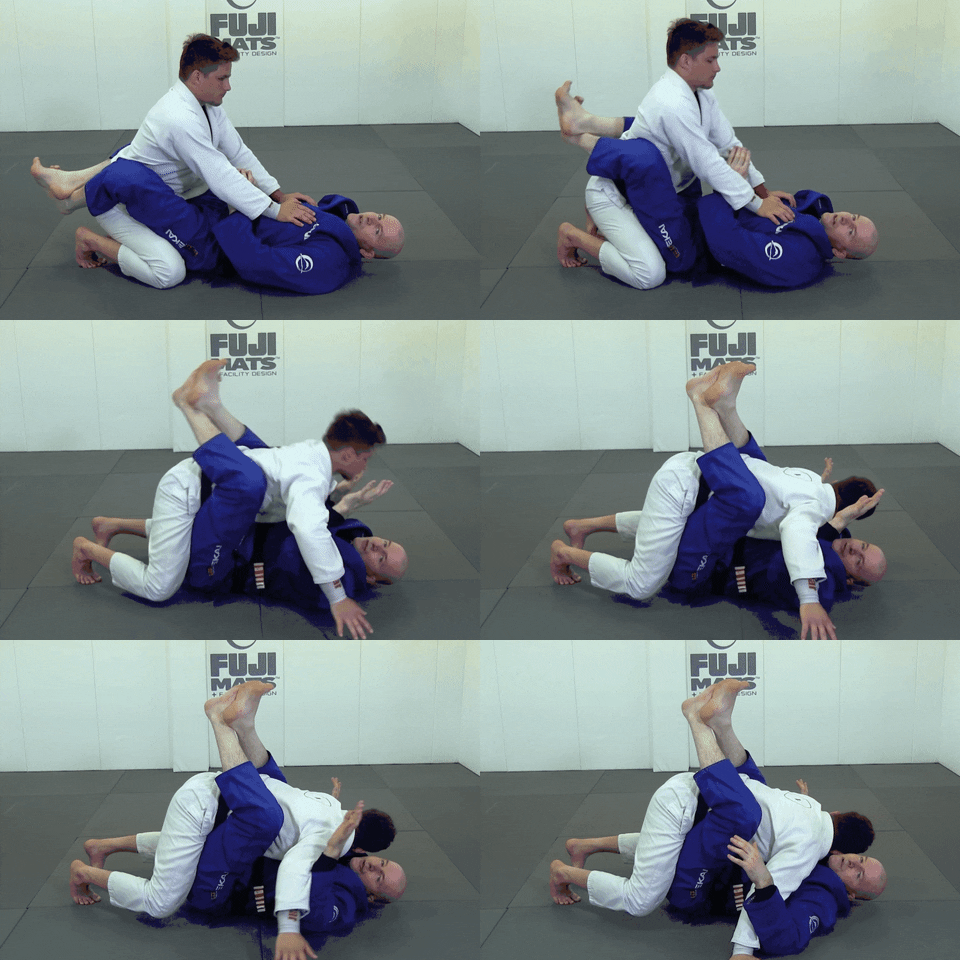
- Cross Collar
- Knee pull
- Dealing with opponents trying to stand
- Knee pull as standing
- Opponent is vulnerable as they step the second foot up.
- As they take the first step up, you should arch and be heavy to make later knee pull more effective.
- can use the opponent’s grip against them if they have your sleeve by pushing your arm across.
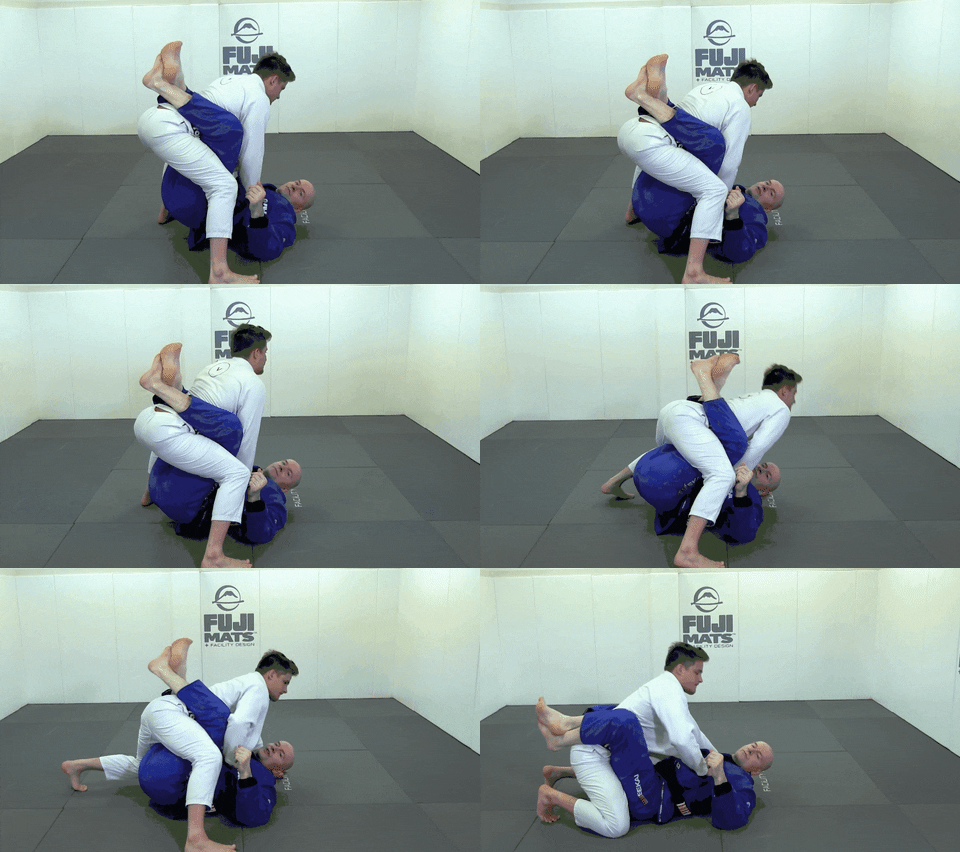
- Knee pull when opponent has made it to feet
- Done before they have vertical posture
- Can use hands to block the front their ankles to make technique more effective.
- Does not look like much movement as you are just applying force
- Opponent has vertical posture
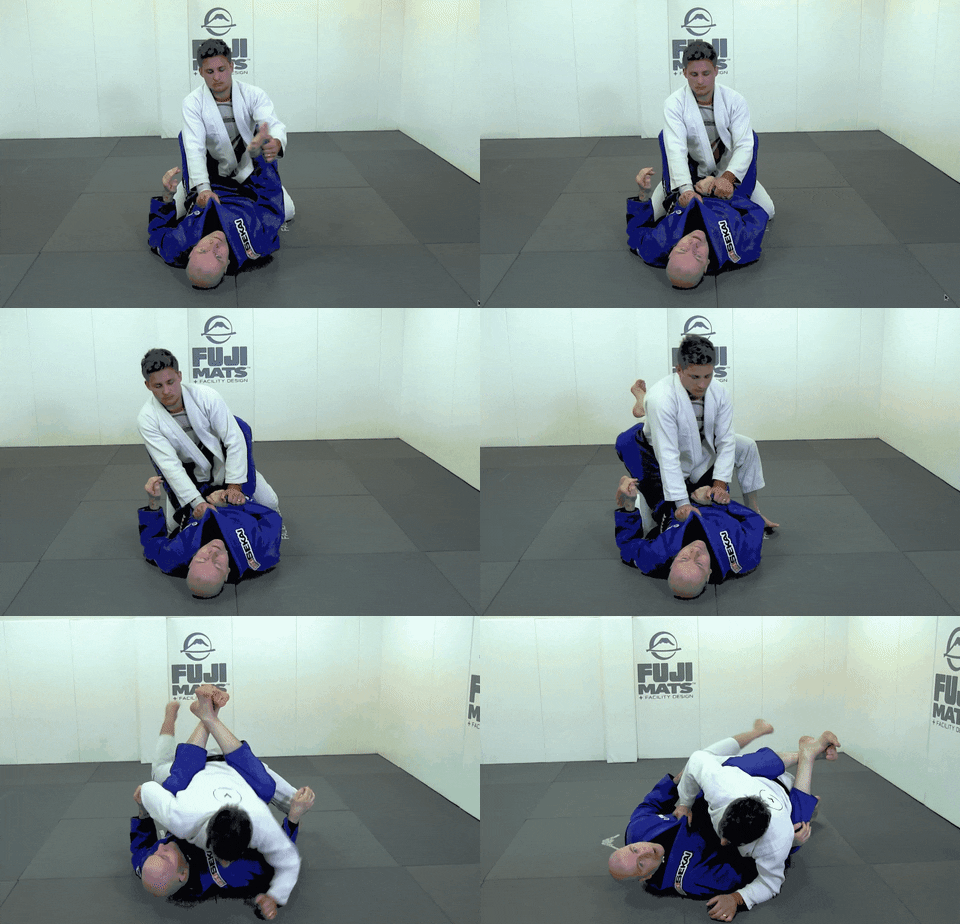
- On knees
- Hip bump (backward Kuzushi)
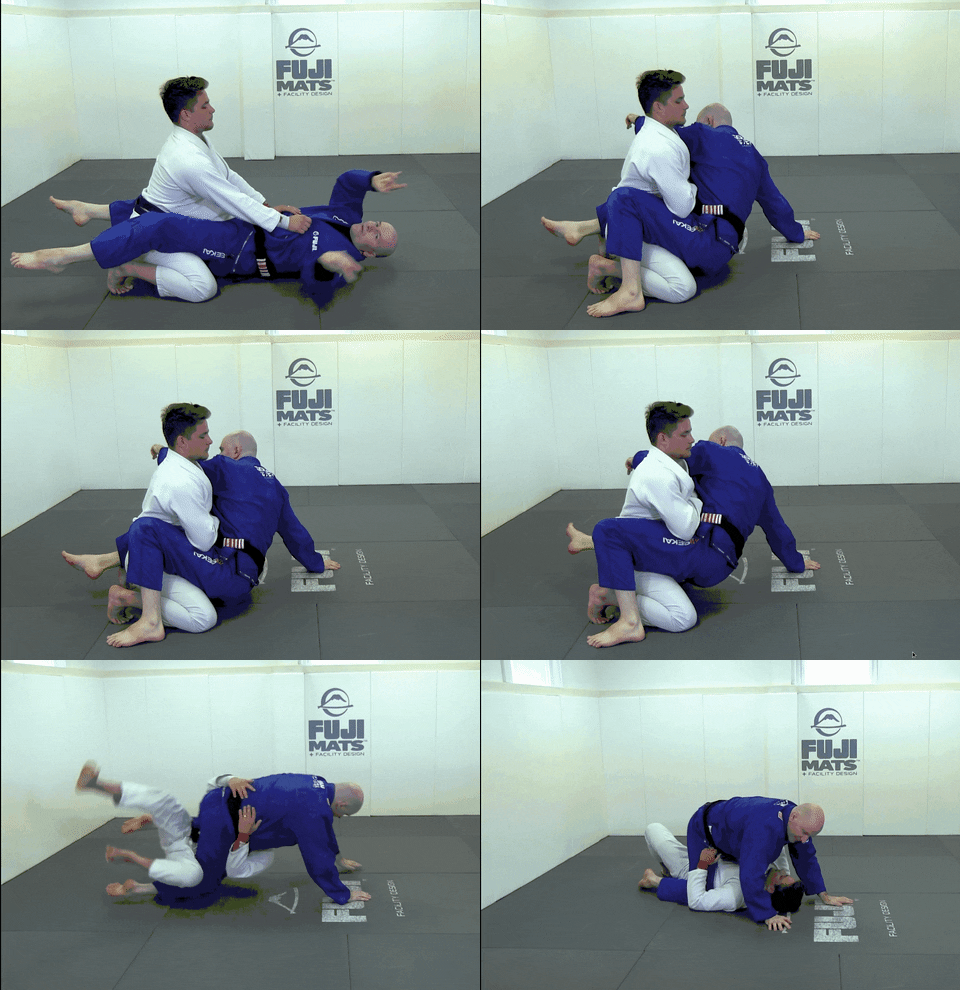
- Standing
- Knock them to butt
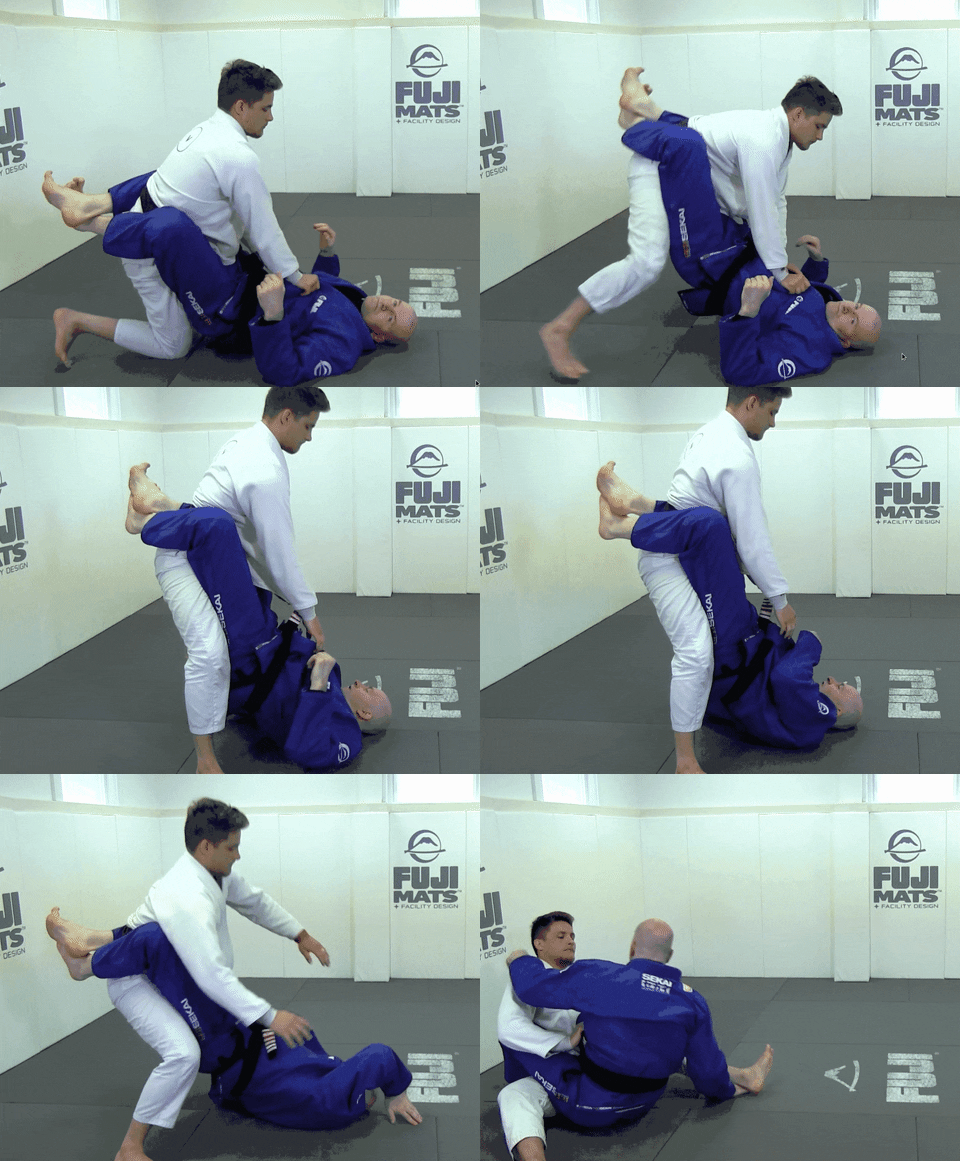
- On knees
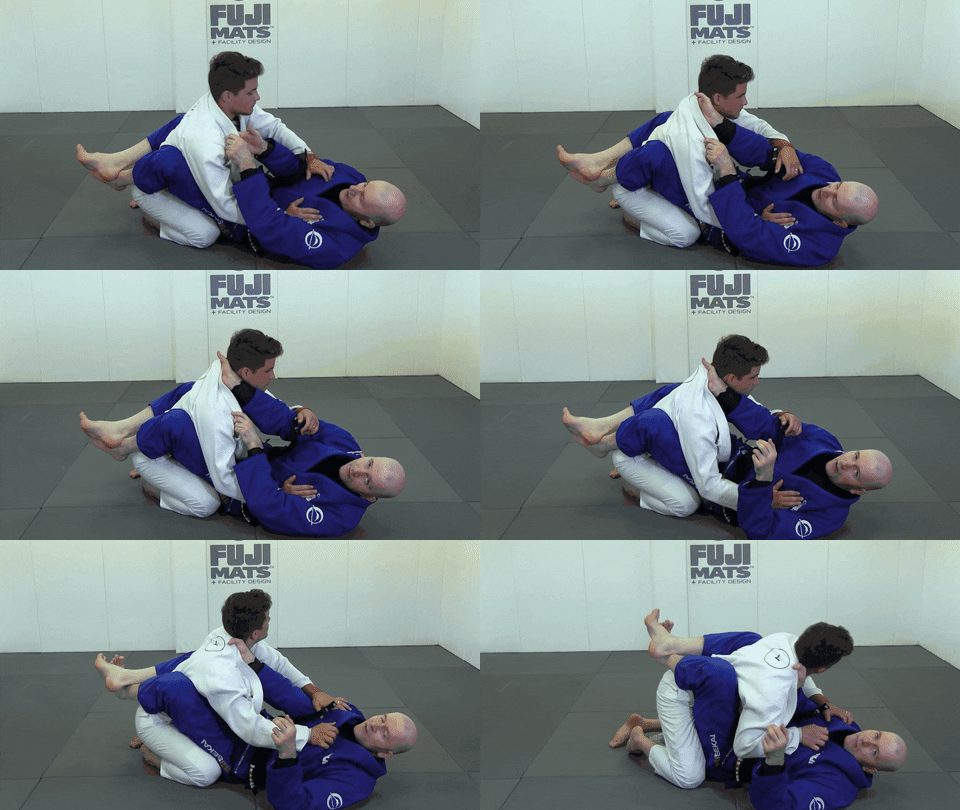
The Cross Collar Grip (Second Key To Postural Control)
- The Cross Collar Grip
- The Lapel is like a rope around the opponent’s neck.
- Should be used in unison with the knee pull
- The two-on-one lapel feed
- Same side hands opens lapel and feeds grip to other hand
- Cross runs up lapel to get deep grip
- Pivot body to one side to create angle for grip
- You should be on one shoulder and not flat on your back
Establishing Angle From Closed Guard
- Establishing angles.
- Creating angles is a universal principle in all fighting
- Avoid situations where the head, spine and hips are in alignment with the opponents.
- A rule of thumb is that if your feet are locked behind the opponent’s spine you have not created an angle.
- Break posture and balance before creating angles
- Angles distribute weight differently making standing up more difficult for the opponent.
- Angles allow for you to move your knees up higher on the opponent allowing for more leverage.
- Methods for creating angles
- Plant foot floor and shrimp
- Good beginner method.
- Because you plant a foot on the floor you open yourself up to a guard pass.
- To reduce this risk, step close to the opponent’s foot so they can not easily step over your guard.
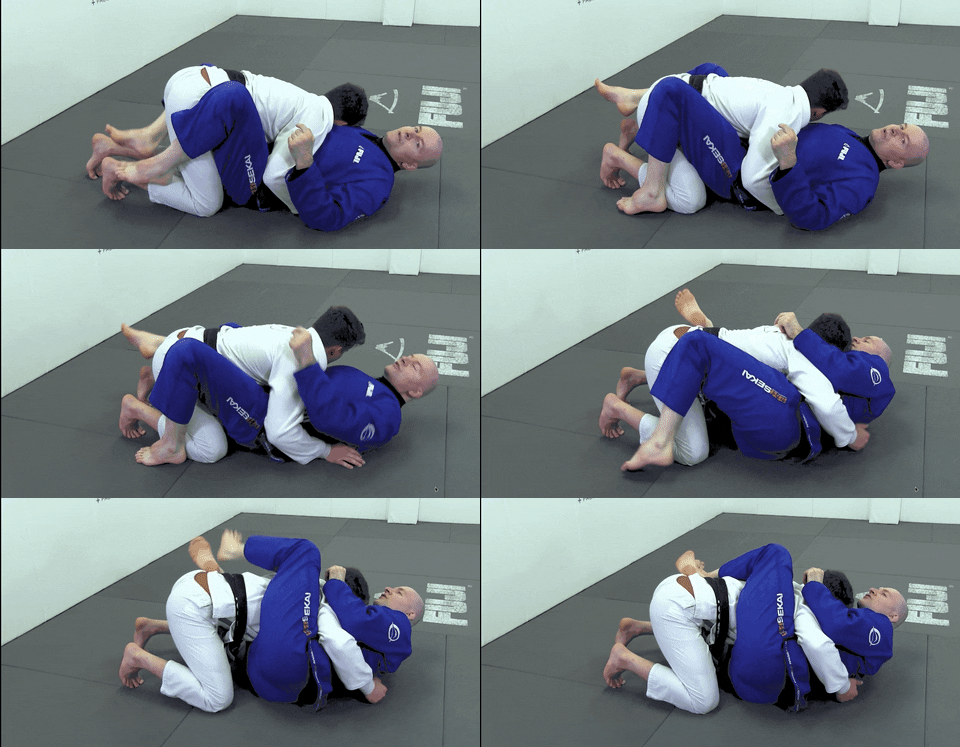
- Plant foot hip and shrimp
- More difficult for the opponent to step into half guard.
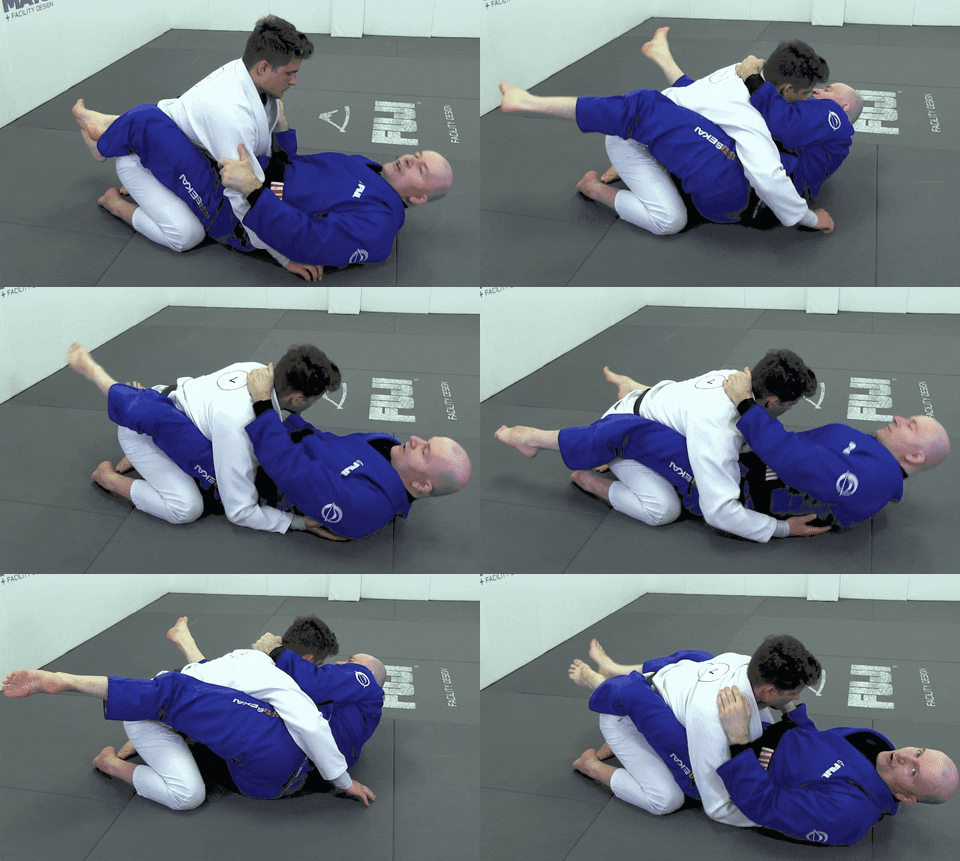
- Shimmy method
- No need for foot plant and no way for opponent to step over leg
- Open your guard and shift to the side
- Legs straight and hips lifted
- Feet pointed upward (helps prevent opponent from stepping over)
- Plant foot floor and shrimp
The Theory of the Strong First Move
- Having a strong first move forces the opponent to react to it.
- When the opponent is in a reactive mindset, the game becomes a lot easier.
- You need a strong first move for the four closed guard scenarios covered:
- opponent on knees
- opponent starting to stand
- opponent standing with broken posture
- opponent standing with posture
 BJJ-Notes