The Top Lock
- Intro
- If you are unable to get the elbow across the centerline, you can go into the top lock
- What is the top lock
- The top lock is where the ankles are crossed high up behind the opponent’s neck
- This gives you more leverage against your opponent’s posture
- The lock is located high up around the head and shoulders of the opponent
- The top lock is where the ankles are crossed high up behind the opponent’s neck
- How to get to the top lock
- If the opponents elbows are on the outside of your hips you are blocked from getting the top lock
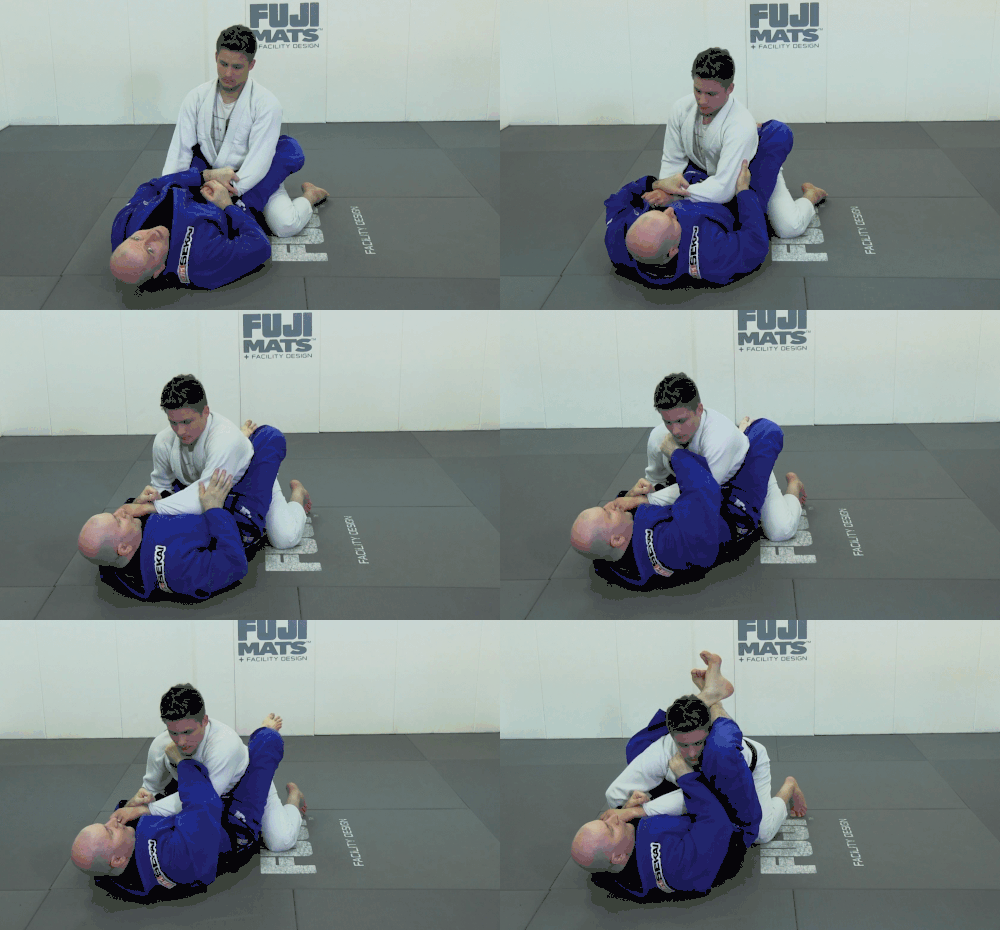
- Bring the opponent’s elbows towards your center line
- You only need to bring the arm far enough so that their elbow is inside your hip
- Take some type of collar grip
- Lock your legs high on the opponent so that one is blocking the opponent’s shoulder
- Do not throw your legs all the way to top lock, but rather walk them there up the back
- Maintenance of the position
- When the opponent tries to free their arm, raise your hips to keep them locked
- If the opponent starts standing, keep the top lock as it will keep their posture broken
- Simple Arm lock from position
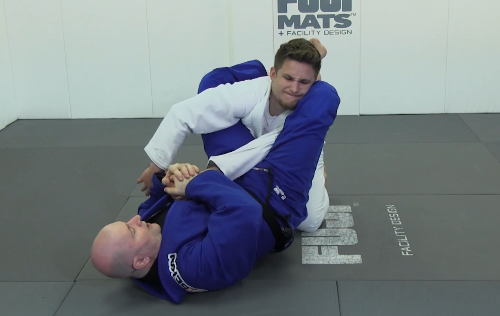
- If the opponent does not guard their arm with the shoulder over it there is an arm lock immediately available for you
- The number one grip
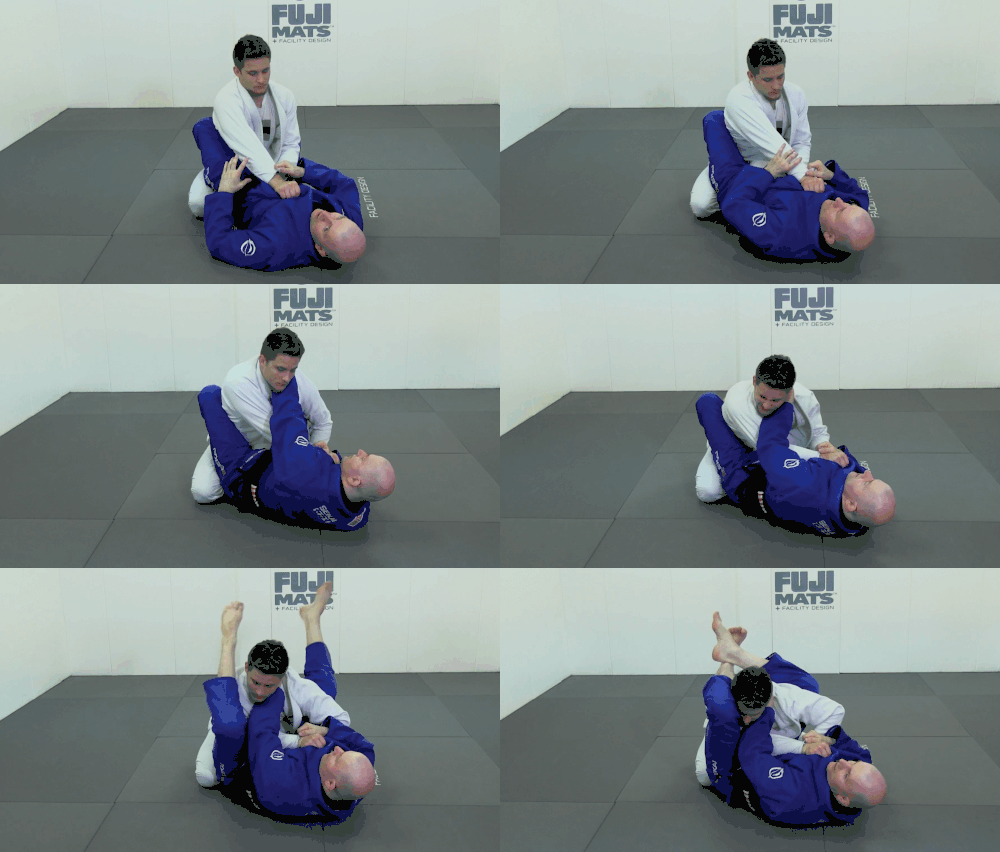
- Your griping strategy needs to bring the opponents arm forward and bring their body to roughly a 45 degree posture
- Both too far above and below will prevent you from entering the top lock
- The best grip for making this happen is the over clasp grip
- This is where your arm is over the opponents arm giving them inside position while you have outside position
- From this grip you are able to bring your elbow inside theirs and apply downward pressure, making their grip weak and ineffective
- this works both same side collar and cross collar
- The number one grip is a cross collar over clap grip high on the opponent’s lapel near their ear
- This grip allows you to break the opponents posture
- The over clap grip should be combined with a cross cuff grip
- Use both of these grips in combination with a knee pull to pull your opponent down and forward
- Your griping strategy needs to bring the opponents arm forward and bring their body to roughly a 45 degree posture
- Attacking with the arm lock (juji gatame)
- The opponent will often create a figure four to try and avoid arm locks
- You need to prevent this from happening
- This can be done when the opponent is on their knees or when they are standing with a broken posture
- How to
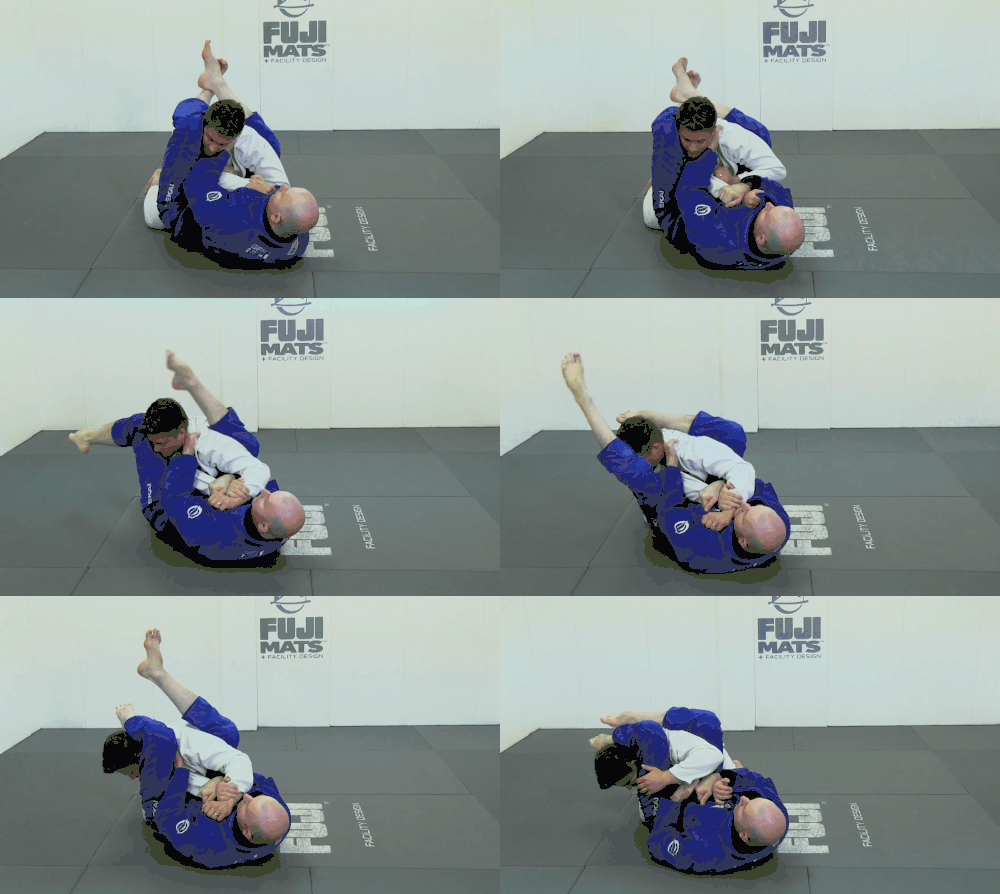
- Transition from the cross cuff grip into a wrist on wrist pin to your chest
- This will help prevent them from going into a full figure four with their arms
- Shimmy around to where you can touch your foot to their head
- Pass other foot over their head
- knee should be higher than the opponent ear
- Keep feet locked tightly over the opponent
- you can cross your feet, but this often leads to them pointed up more and a looser clamp
- Knees should be higher than feet
- Extend hips to apply arm lock
- Transition from the cross cuff grip into a wrist on wrist pin to your chest
- The opponent will often create a figure four to try and avoid arm locks
- The 45 inside position
- What is this position
- This position is when the body is brought forward at a 45 degree position
- If your opponent is too far away it becomes impossible to set up grips or high locked feet behind them.
- If they are too close, they will also shut down many of your options
- This is often used as a holding position for the top player to buy time
- 45 degrees is the optimal level where you can walk your feet up their back to advantage position, and yet they are not smothering you and keeping you from implementing your attacks
- This position is when the body is brought forward at a 45 degree position
- The two items needed to maintain this position
- The cross lapel grip is able to control distance
- Locking your elbow to your hip will help prevent them from posturing up
- A cross cuff grip will prevent them from blocking your hips with their elbows preventing you from gaining an advantageous angle?
- The cross lapel grip is able to control distance
- How to get your grips against a resisting opponent
- Use the cross cuff grip to maintain tension in their arm and jacket
- Use the over clasp grip described above
- You can get either grip first, there is no specific order
- What is this position
- Notes on the Arm bar (Juji Gatame) from closed guard
- See instructions for the arm bar above
- You want to minimize the distance you want to move to get the arm bar
- The smaller distance you have to travel the less time your opponent has to react
- The top lock position keeps it so that there is very little distance between your position and the arm bar position
- When you have the top lock, keep your hips high to maintain the position
- Your cross lapel grip will get in the way of the arm lock, and should be posted on the opponents outside shoulder
One-Time
Monthly
Yearly
Make a one-time donation
Make a monthly donation
Make a yearly donation
Choose an amount
¤5.00
¤15.00
¤100.00
¤5.00
¤15.00
¤100.00
¤5.00
¤15.00
¤100.00
Or enter a custom amount
¤
Your contribution is appreciated.
Your contribution is appreciated.
Your contribution is appreciated.
DonateDonate monthlyDonate yearly BJJ-Notes