Scissor sweep
- What to avoid
- Brining your knees too close together
- This allows the opponent to squash your legs and pass your guard
- To avoid this you need to work with a high knee shield
- Brining your knees too close together
- How to
- Take a cross lapel grip
- Take a same side sleeve cuff grip
- Move your wrist cupping over the opponent’s wrist
- Shift hips
- One foot to floor to shift
- One foot on opponent’s hip to shift
- (Best option) Just scissoring your legs to shift
- Bring your knee through the opponents arm to their chest putting it up against your lapel grip
- The knee and lapel grip should reinforce one another
- Bring your other foot to your opponents hip
- Foot of this knee should be wrapped tight to opponents lat muscle
- Pull your opponent forward with both grips and foot behind their lat muscle
- You should be trying to pull them so their weight is on the leg you are going to sweep into
- Bring foot on opponents hip out and swing it back in scissoring the opponent while the other foot scissors in the other direction
- Opponent should be swept to they fall to your shoulder line and your hip line
- They should then land right beside where you started from
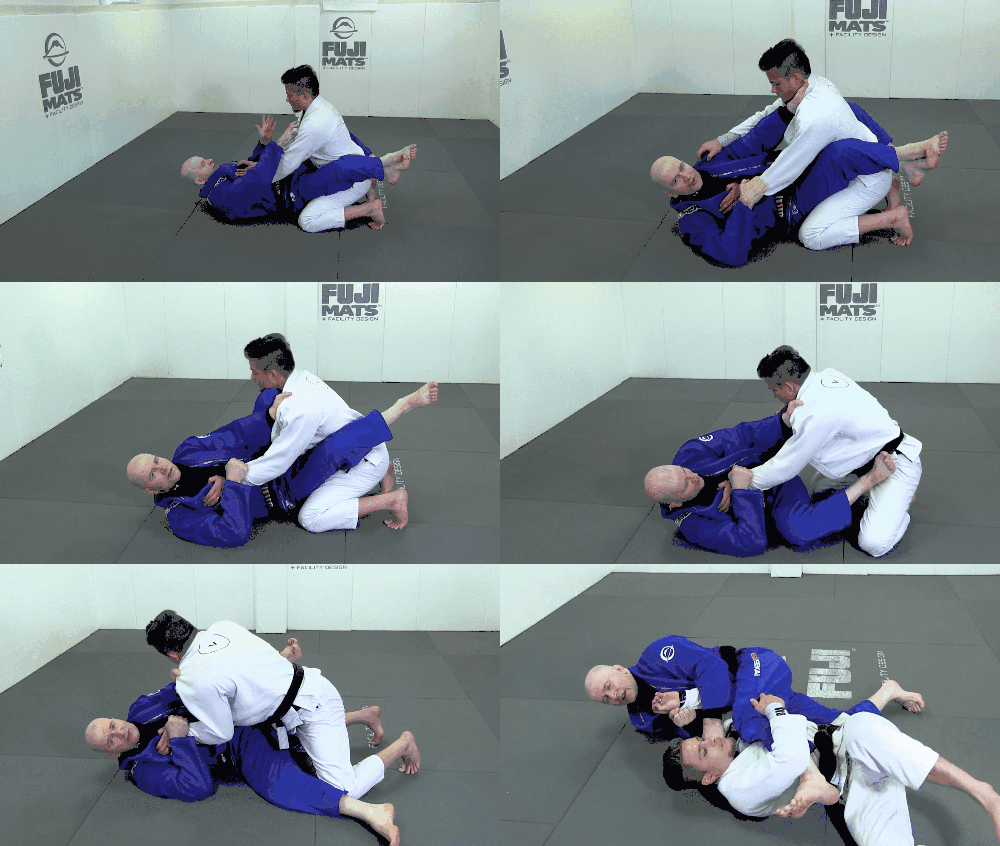
- Modified scissor sweep for when the opponent has a wide base where the hip is not over the knee
- Use the same steps up to where you begin the scissoring motion
- Bring foot on opponents hip to their knee
- Push the opponents knee back taking out their leg and sweeping the opponent
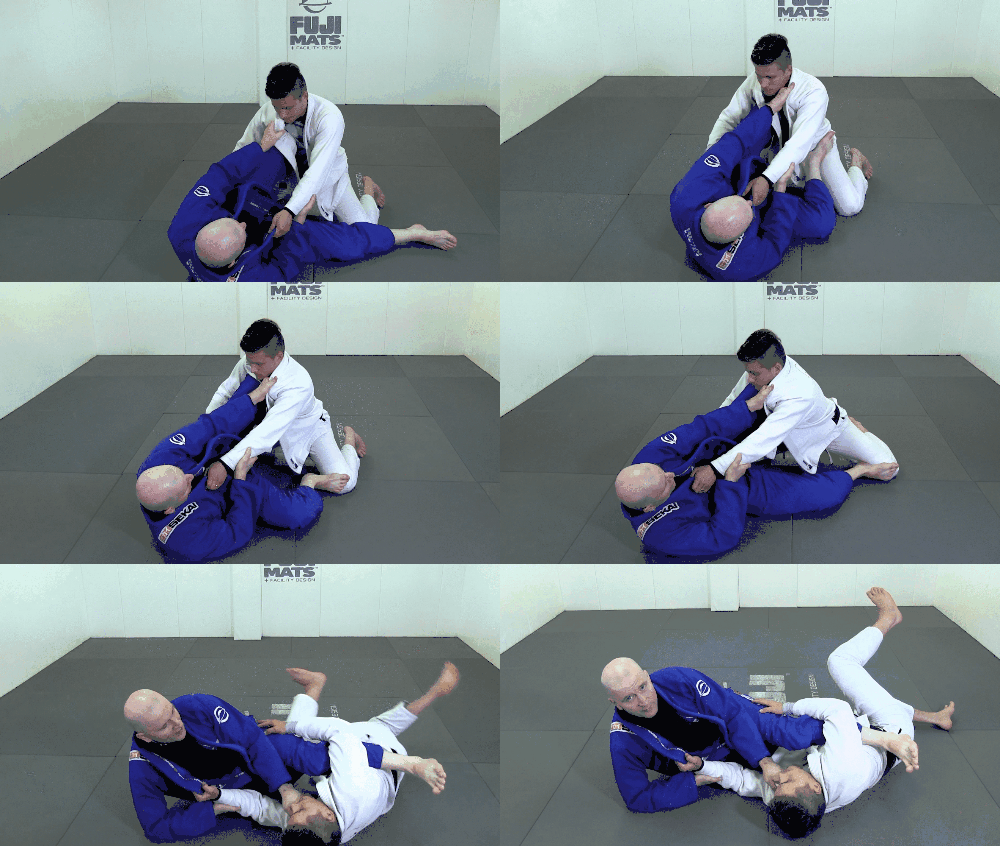
- Scissor sweep with double sleeve grips
- How to
- Get a same side cuff grip with one hand
- The other hand should grab the seam on the same side sleeve behind the opponents triceps and close to the armpit as possible
- These are some of the easiest grips to get
- Continue the sweep as before
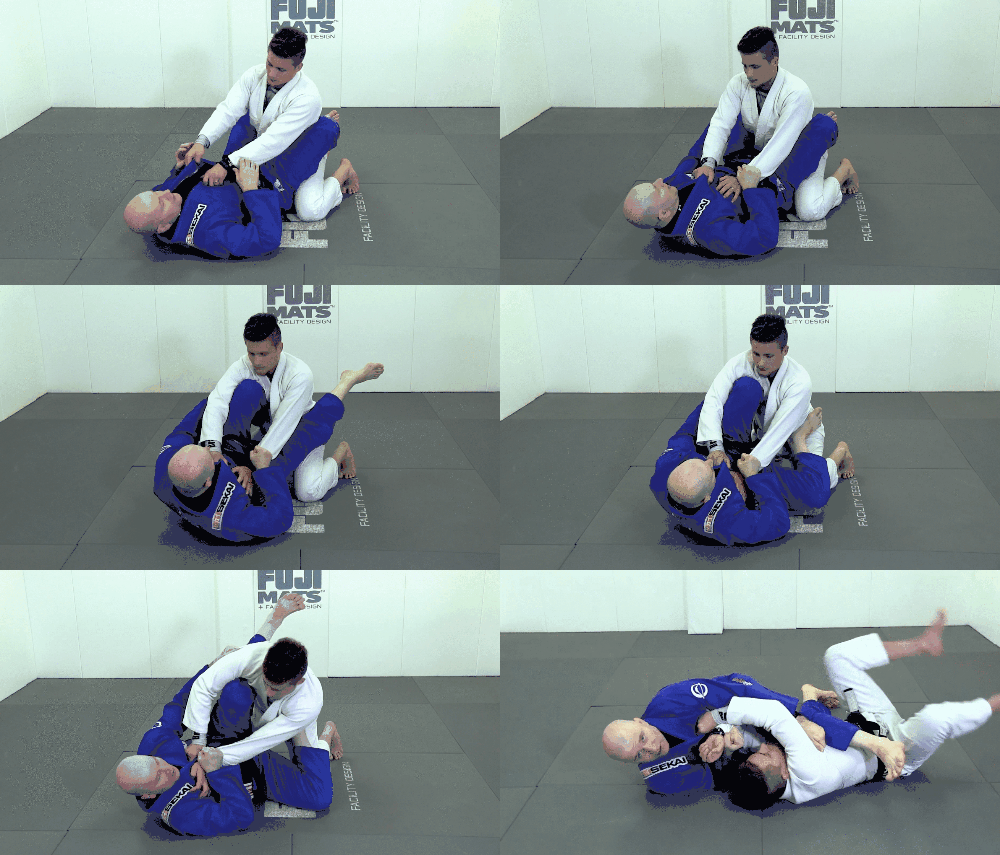
- How to
- 2 on 1 grip scissor sweep
- How to
- Get a cross cuff grip with one hand
- With the other hand grab the same side seam behind the tricep
- Continue the sweep as normal
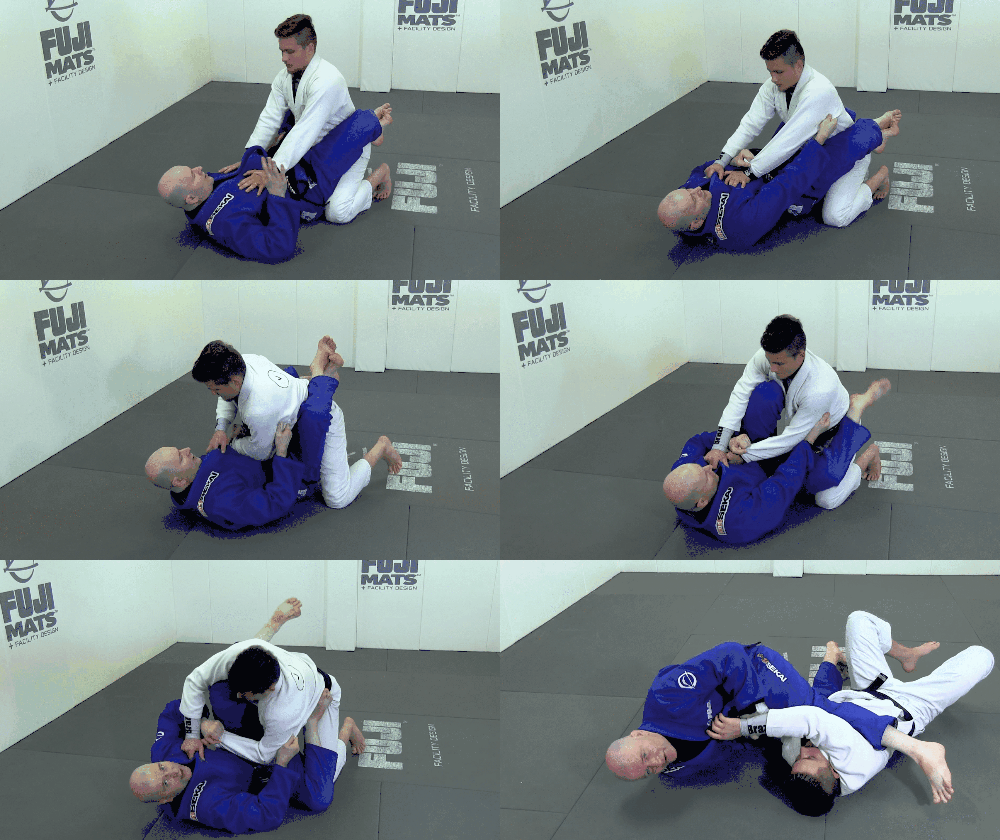
- How to
- Scissor sweep with posted leg
- This is for when the opponent has started to stand up and is on one knee
- You must sweep in the direction of the knee that is on the floor
- Many grips work for this
- The only adjustment that needs to be made
- Start the top of the scissor first
- When the opponent is starting to be off balanced you can remove your other foot from the hip and start the other side of the sweep

The pendulum sweep
-
One of the major values of the pendulum sweep for beginners is that it teaches the body how to shift your hips as well as how to get your hips off the mat
-
The weakness in the basic version is the grips, as it is easy for the opponent to grip fight against it
-
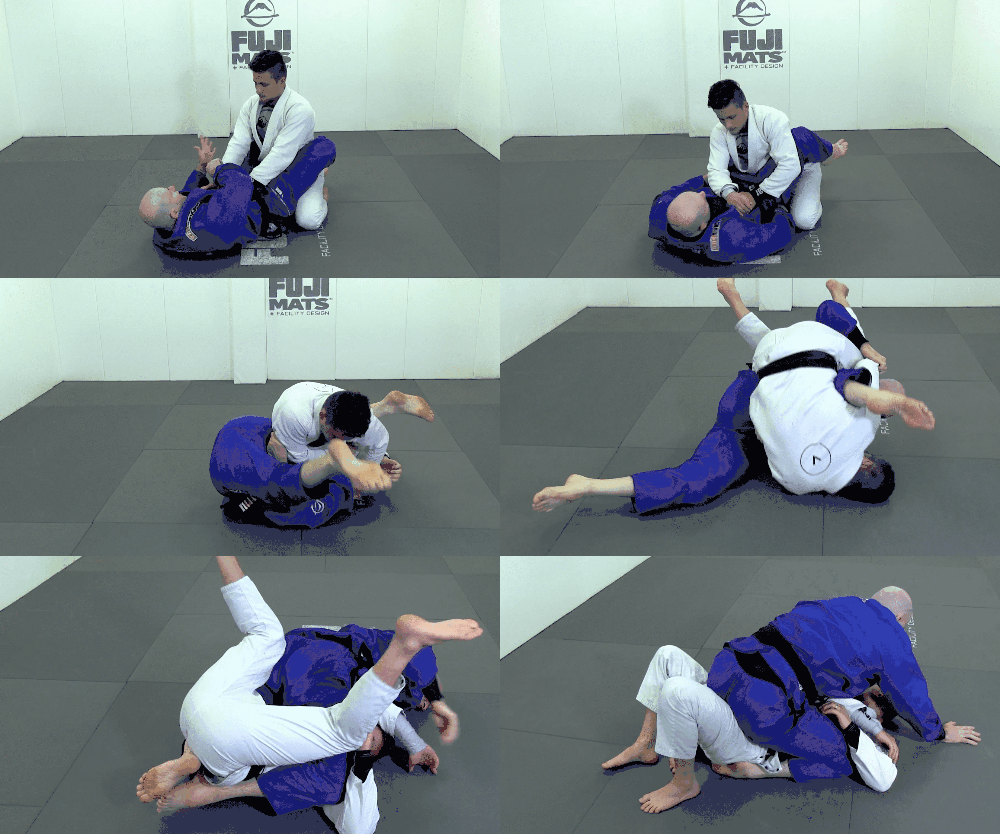
The basic pendulum sweep
- Not as applicable to live rolling, but is a good way to teach the body to move correctly
- How to
- Grab the same side seam behind the tricep
- Bring their hand towards your center line
- Perform a knee pull
- This is to develop space between their butt and ankle
- Unlock closed guard
- Shift your hips, so the leg opposite of your grip has its toes and knee pointed to the mat
- Under hook behind knee with other arm
- Hook should be elbow deep
- Throw your other leg so that knee and toes are also pointing to the mat
- This should start to bring the opponent’s head over yours
- You may have to whip this leg a few times to turn you into position
- toes should be able to touch the mat
- Bring the under hook hand over your head
- This should start to bring the opponent’s center of gravity over you
- Swing the free leg backward and the leg holding their weight propels them over you
- Legs should scissor over one another
- Be sure opponent does not land on your leg
- End up in mount
-
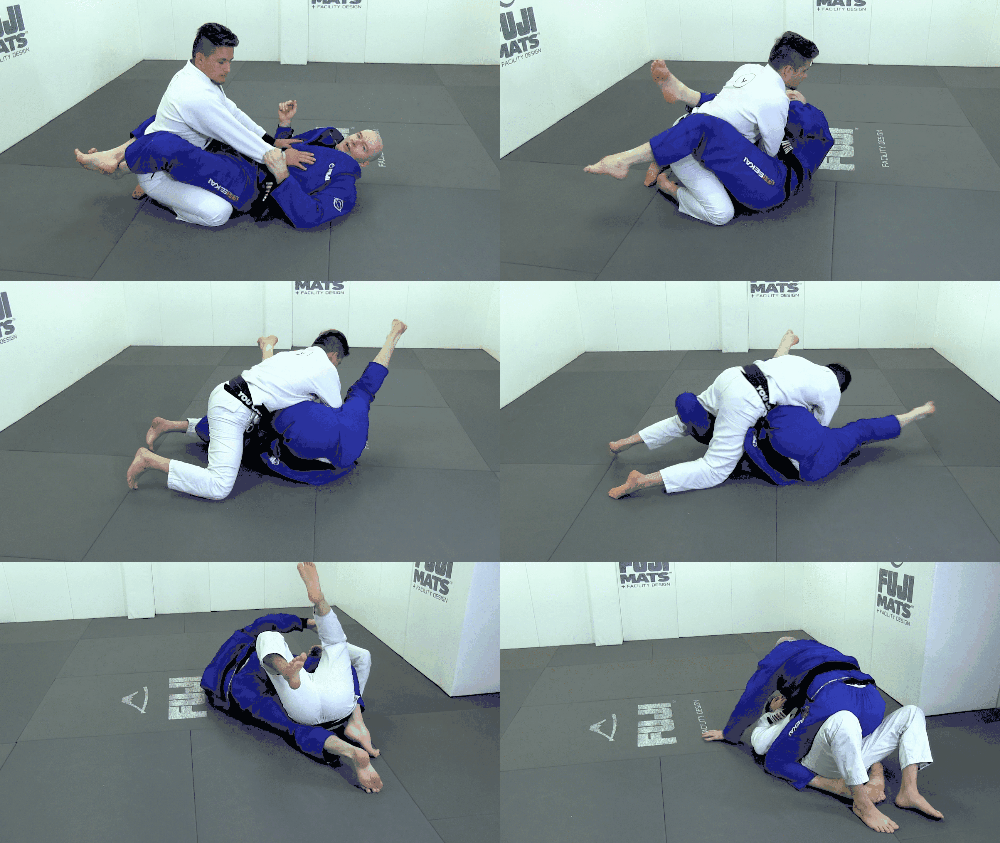
The pendulum sweep with cuff grip
- The disadvantage of the first grip (tricep grip), is that it offers no control of the hand
- This allows them to get a hand to the mat and prevent the sweep
- The difficult thing about the cuff grip is that you lose control of the shoulders
- How to
- Grab a cuff grip where your wrist is on top of their wrist
- Continue the sweep as before
- The disadvantage of the first grip (tricep grip), is that it offers no control of the hand
-
The pendulum sweep as a learning device
- It requires a movement that you will need for some arm bar from guard, some triangles and some omoplata entries
- This is because you often have to create angle to get submissions
- The following GIF is an example of practicing submission holds from the pendulum sweep

- It requires a movement that you will need for some arm bar from guard, some triangles and some omoplata entries
-
The strongest pendulum sweep: trapping the arm
- Trapping the arm will triple to quadruple your success with the pendulum sweep
- How to
- Obtain a cross cuff grip
- Weave hand under their hand and grab your own wrist
- Break grip over your head as you knee pull
- Do not pull straight up or towards the opponent
- Bring arm across center line
- Open your guard and shift your hips inverting your inside knee
- Grab the opponents lat with your free hand
- You should now be in the side scissor position
- Pendulum sweep as before

- The versatility of the arm trap
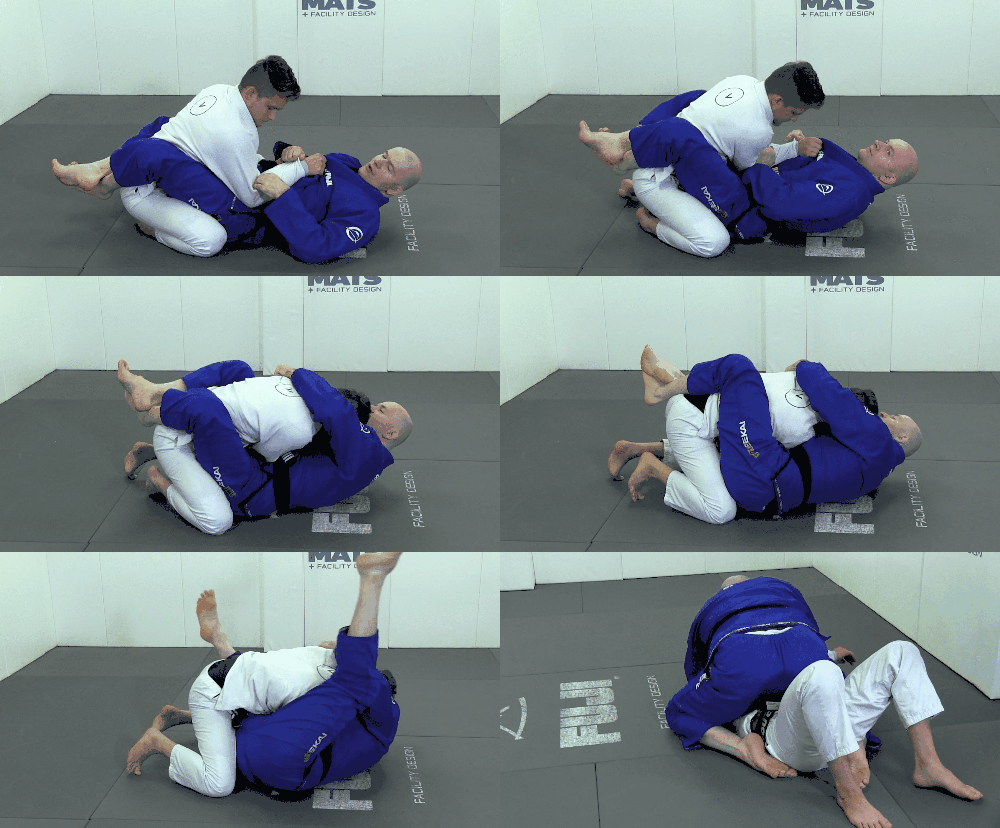
- How to get to the arm trap position when the opponent starts hiding their elbow
- Get a double sleeve grip
- Cross cuff collar grip
- Grab a flap of cloth with the other hand near the inner elbow
- raise your hips and knee pull while pulling their arm
- Move elbow to center line
- You do not need to break their grip, you just need to move the elbow inside your hips
- Grab their lat around their back
- Move yourself around the elbow to a side scissors
- Get a double sleeve grip
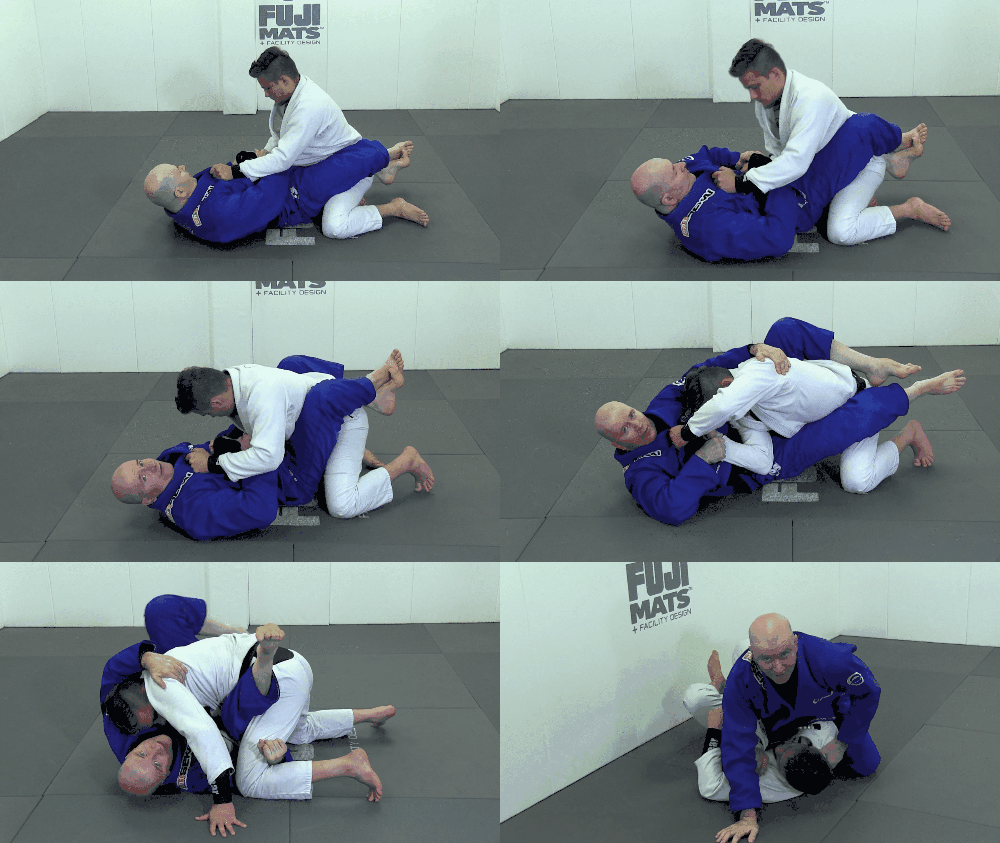
- Attacking the rear hand
- Grab a cross cuff grip
- Other hand should cover their hand
- Move their arm across the center line
- Change hand covering their hand to a tricep grip
- Knee pull and bring elbow forward
- Shift to the outside and trap their elbow to the inside as you grab their lat
- Sweep as usual
- Note: The GIF does a bad job of showing the grip break, as this can be found in part 2
- The GIF does however show a excellent shot of the trapped elbow
- How to get to the arm trap position when the opponent starts hiding their elbow
- Using the arm trap in other situations
- The arm trap can often be used to turn situations where the opponent escaped to another advantageous position
- Example
- Here the opponent escapes from a turtle, but you are able to keep the arm trap
- If you do an elbow escape and shift to side scissor, you can enter into the pendulum sweep
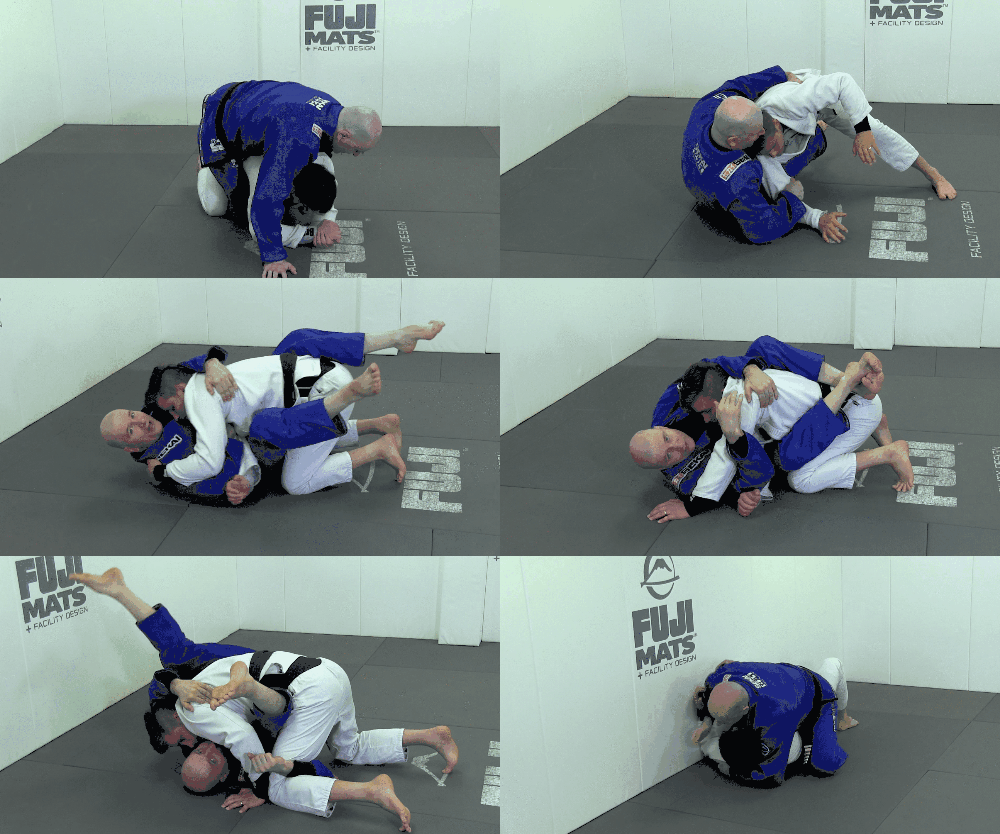
- You can also do this from many other positions
 BJJ-Notes