The clamp
- Transition from closed guard to the clamp
- To do this you need to get one or both arms to the mat
- This makes is so your body separates their arms and hands
- Why the clamp
- Your foot on the hip controls pushing distance
- Your leg over their lat controls pulling distance
- The body position shuts down their ability to use their hands together
- Opens up ability to use triangles, omoplatas and arm locks
- How to
- Put both your hands inside theirs and push their hands to the side as you knee pull
- If they have lapel grips you can use one of the grip breaks from the previous parts (cross cuff lapel, with other hand weaved under)
- One arm goes around the head, the other goes to the bicep
- Shift hips out bringing one knee to clamp behind their should and your other foot to their hip

- Attacking from the clamp
- About
- Since this position prevents your opponent from locking their arms, it makes it harder for them to defend from attacks
- The other advantage of this position is that you have good distance and angle control
- Triangle attack
- Enter the clamp
- Move top leg to angle comes behind opponents neck and knee hooks over their shoulder
- Pull with this foot to help you extract your leg
- Extract the bottom leg and move it to cross ankles with your top leg, entering the trap triangle
- Try and post the opponents arm away from you so they can not block your leg
- If opponent does block this move by putting their hand on your knee
- Grab all four of their knuckles with your same side hand and remove the lock
- Grab your own shin or the opponents head and turn out to an angle
- Your other foot can go to the hip to help you turn
- You can also under hook their leg to help you turn
- Lock the triangle position (gif does not show a fully locked triangle)
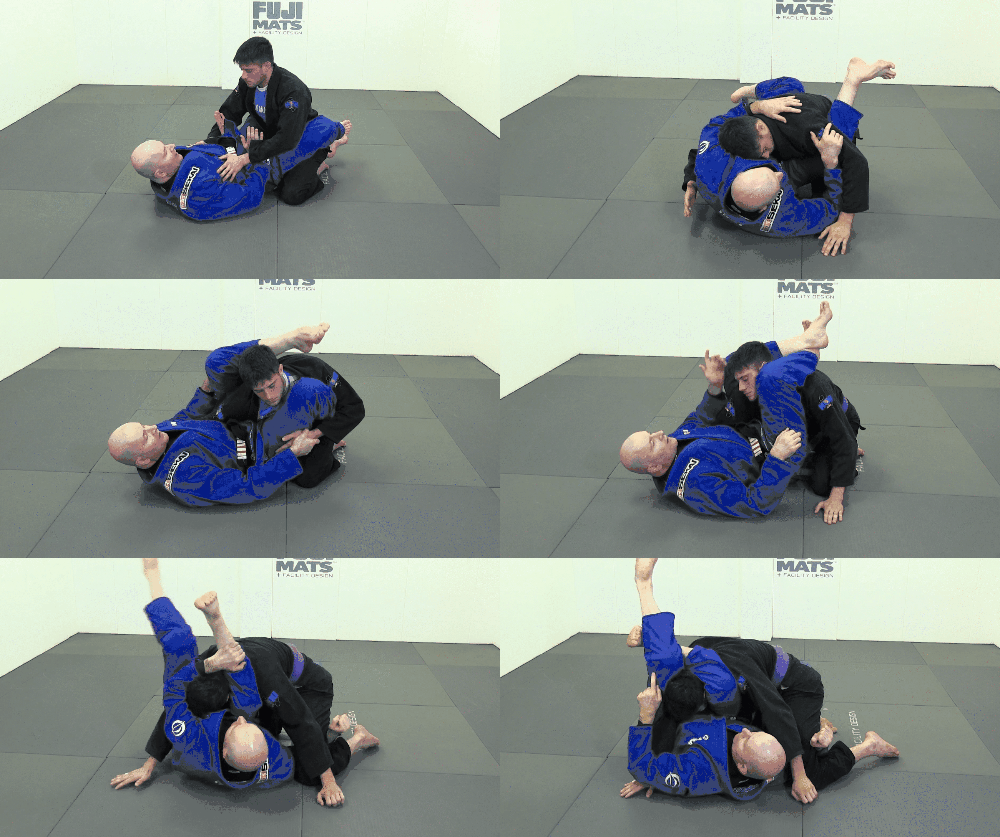
- Arm lock (belly up)
- Enter the clamp
- Move top leg to angle comes behind opponents neck and knee hooks over their clavicle
- Extract the bottom leg and move it to cross ankles with your top leg, entering the trap triangle
- option 1:
- Grap the opponents elbow with your hand
- Move your foot to the opponents lat muscle
- Arch back to finish the arm lock
- option 2:
- Move into the figure 4 triangle position
- Cover opponents wrist with your elbow
- Arch back to finish the arm lock
- option 3:
- Move into the figure 4 triangle position
- bring opponents hand across chest
- Arch back and bring hand down to finish the arm lock
- option 4:
- Bring leg around the opponent head
- Arch back and bring hand down to finish the arm lock
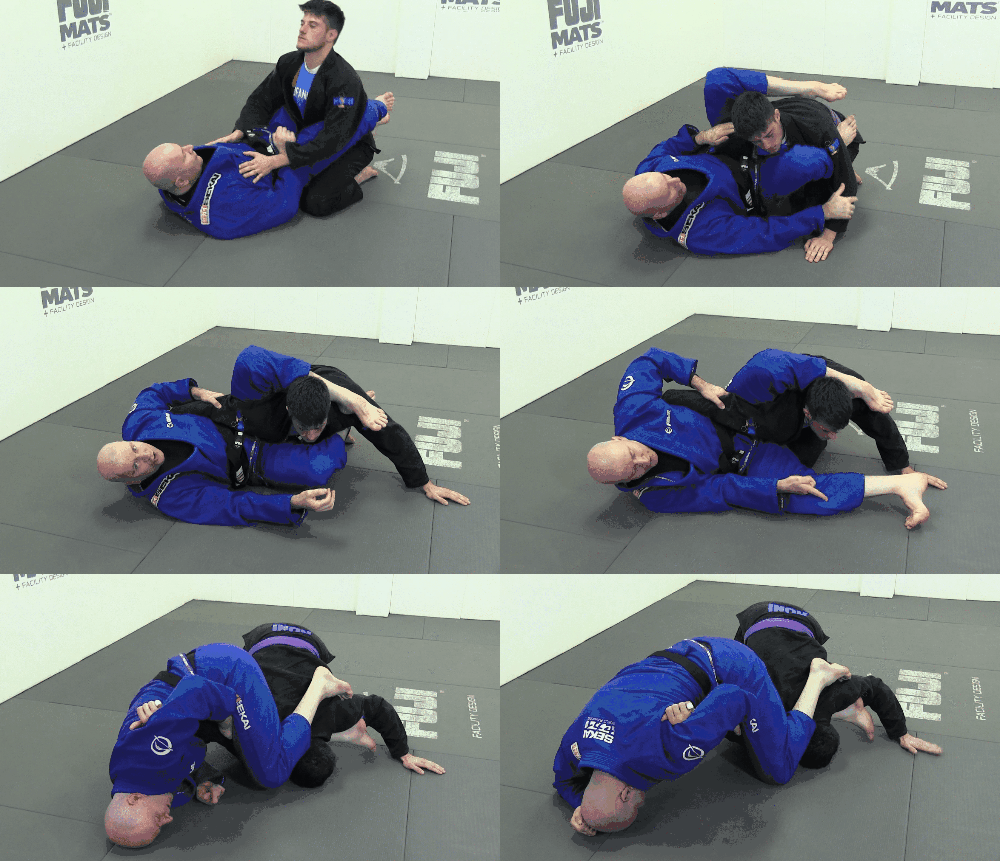
- Arm lock (belly down)
- Enter the clamp
- Grab the opponents elbow
- Opponent hand should stay under your arm pit
- Move your ball of your far foot down to the mat and invert your knee to point to the ma
- Invert your body
- Bring your free arm’s elbow to the floor
- Lock your other elbow close to your body
- Bring your shin to the back of their neck knee into their elbow
- Hip forward and finish
- Kimura
- Enter the clamp
- Move top leg to angle comes behind opponents neck and knee hooks over their clavicle
- Grab the opponents wrist and create the kimura angle in their arm around your thigh
- bring opponents elbow to your arm pit
- For added pressure you can bring their hand to the inside of your thigh
- Note: you can also do this from the trap triangle
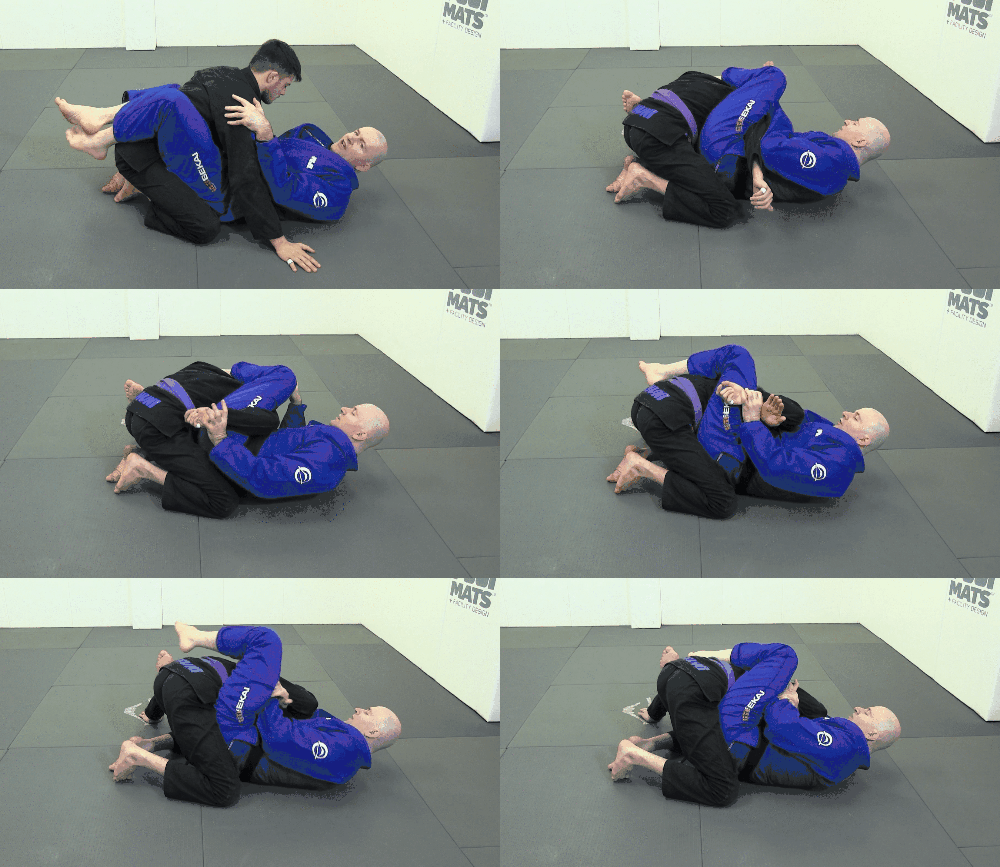
- Reverse arm lock
- Enter the clamp
- Put cross hand on opponent elbow
- Swim other hand around their arm bringing their wrist to your collar bone locking your elbow to their elbow
- Re-enforce your elbow with your other hand
- Move lower knee so it is in front of opponents lower shoulder
- Put food in opponents far armpit
- This allows you to better move your head towards your opponent while your hips move away
- Move hips away and your head and shoulder in
- Dealing with escapes
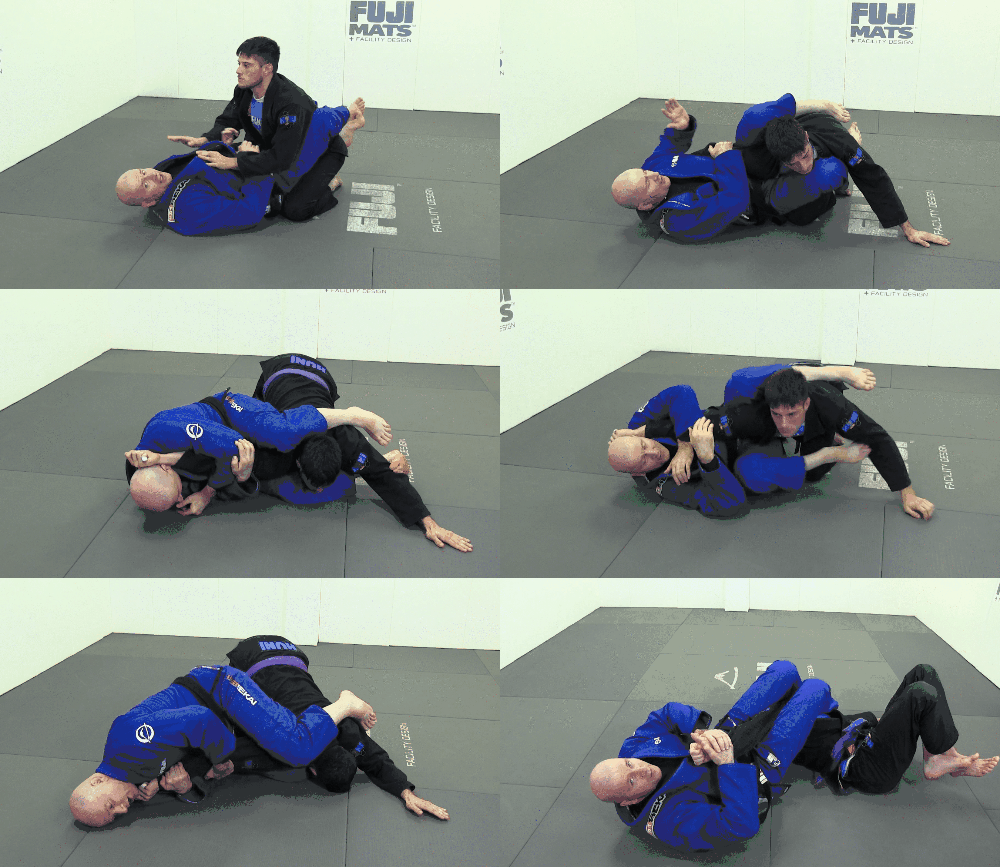
- If your opponent tries to escape by posturing up go into a trap triangle
- If they try and escape by rolling forward, move into a belly up arm lock
- GIF shows initial arm lock, a quick escape to trap triangle and the forward roll to the belly up arm lock
- Omoplata
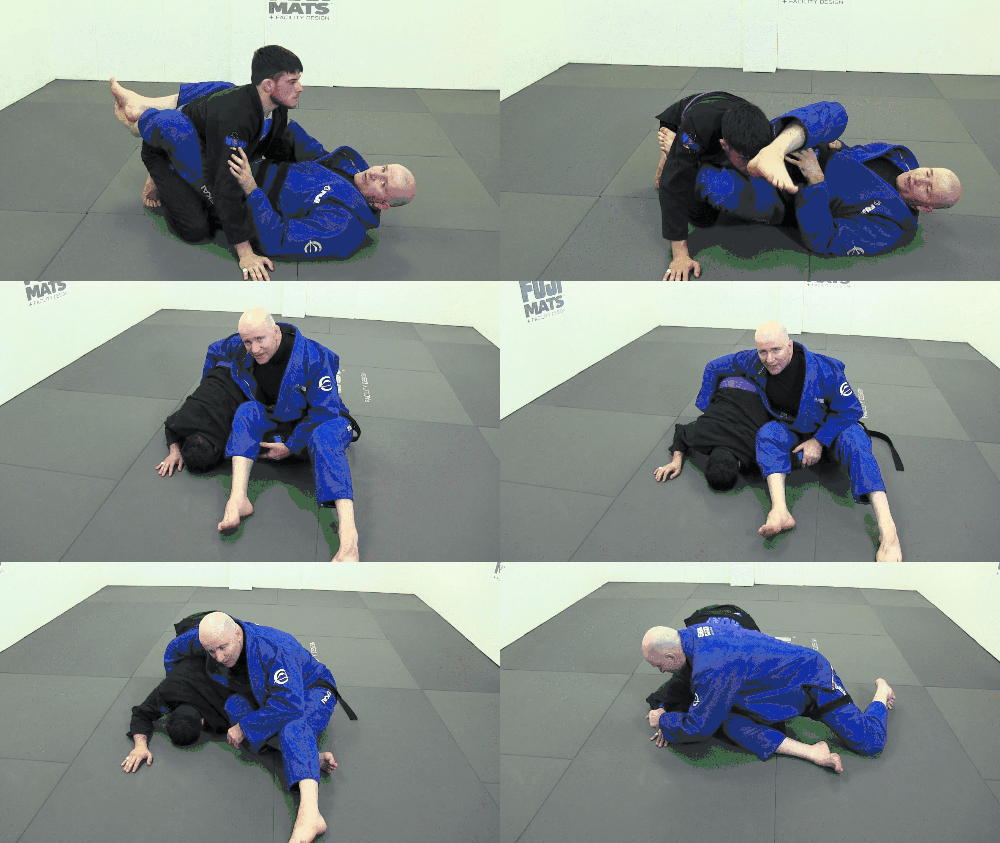
- Enter the clamp position
- Pommel foot through in front of the opponents head
- Use your leg to bring the opponents head downward from pressure on their shoulder
- If they are able to keep their head higher than yours, you will not finish the position
- Sit up and move hips away from your opponent
- The further your hips are away from them the more success you will have as it reduces their ability to posture up
- Reach over your opponents back grabbing their lapel
- Alternatively you can reach under their arm and grab their wrist
- Bring your body across their body moving across their shoulder line to finish the submission
- Do not go directly forward
- GIF Shows opponent gaining head position back a few times, that is not part of the move
The trap triangle – inside wrist grip
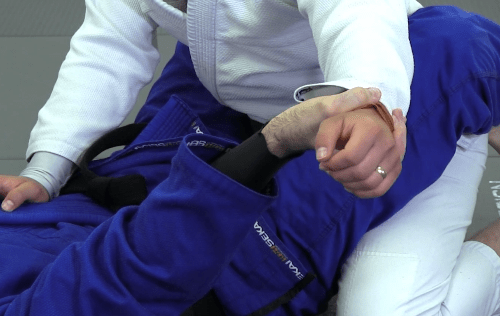
- The inside wrist grip is where your hand is palm up with your palm to the inside of your opponent’s wrist
- If your thumb joint is higher than the opponent’s thumb joint, you are winning the griping battle
- Position is used to keep the opponent’s hand away from making grips making it vulnerable to attacks
- The only escape from this grip is out and away from the body, which makes their arm more vulnerable
- Closed guard to trap triangle using the inside wrist grip
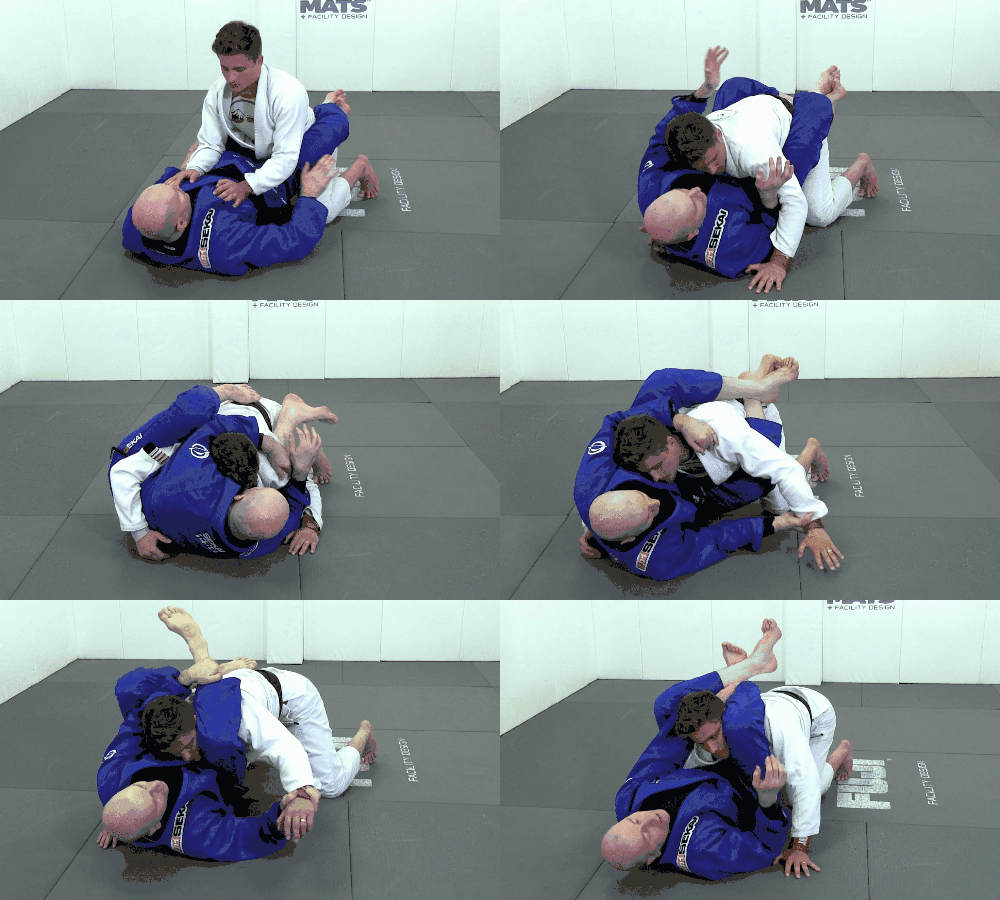
- Break opponent forward with a knee pull
- Control opponent’s head
- Shift hips out to side and come up on your shoulder
- Lock guard to the side of the opponent
- Obtain inside wrist grip
- You can often get this grip when the opponent is trying to re-gain posture in the clamp
- Force hand away, so you can move foot in front of opponent’s bicep
- Grab your shin that you just passed through
- You can remove your wrist grip
- Lock the trapped triangle
- This is where you have a closed guard around
- Attacks the triangle from trap triangle
- Note: This works when opponent is standing or kneeling
- Obtain trap triangle position
- Grab your shin
- If standing get an under hook of opponents leg
- Move so the knee is putting pressure on opponents head
- Lock up the figure 4 for the triangle attack
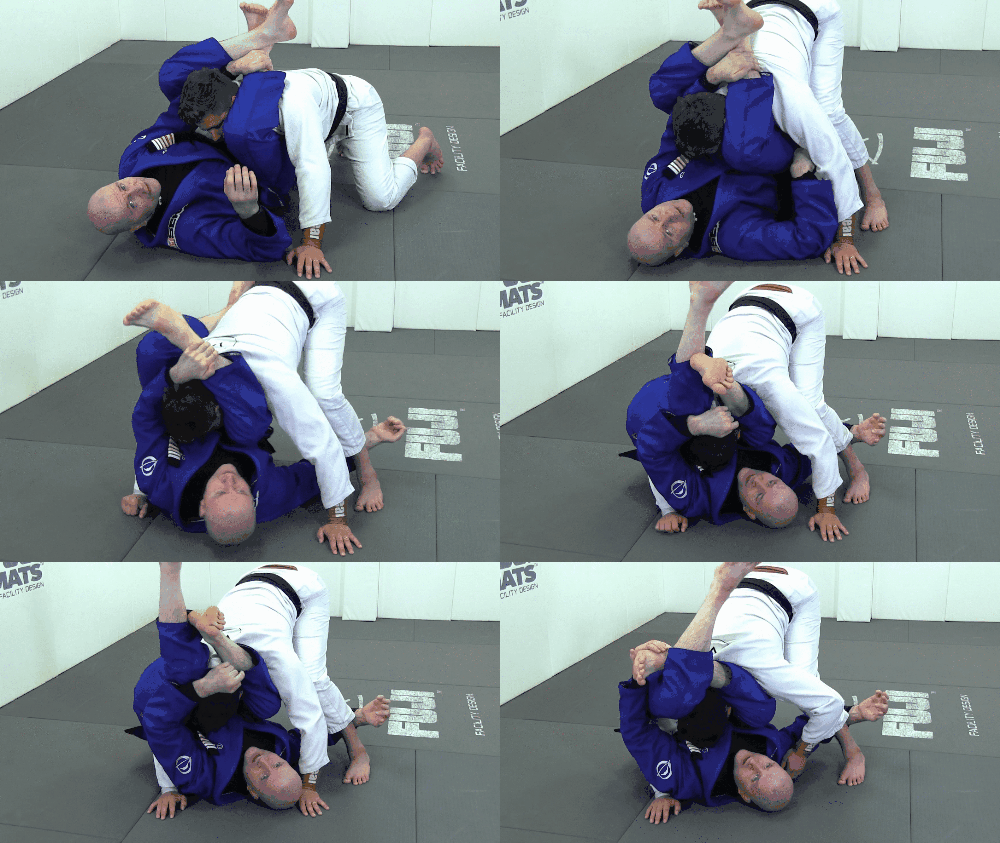
- Gaining inside wrist control from a two-on-one grip
- Used when opponent has a lapel and cuff grip in your closed guard
- Weave free hand under their arm and grab their wrist
- Pummel Gripped hand to the outside
- Break grip by pushing hand towards ceiling and out
- Pull opponent forward with both hands
- Go to inside wrist grip
- Continue into trap triangle

- The details of the move
- How to get your leg over their arm without being extremely flexible
- Never be flat on your back and shift to one side
- Move your head away from them to make more space
- Face your chest slightly downward
- If you bring your other leg up the opponent’s back, it can make the bottom leg have more range of motion to get past the opponents arm
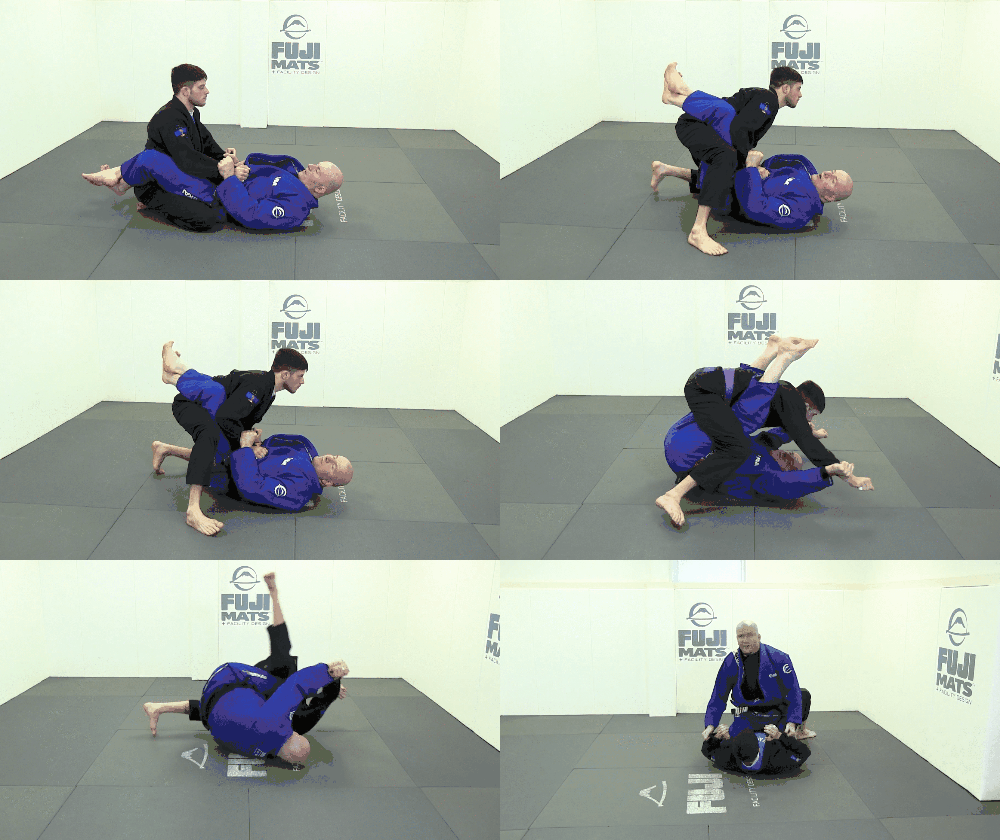
Overhead sweep
- Used when the opponent is going to stand
- You take advantage of the side to side movement of the opponent as they stand, especially on the second step
- How to
- Grab double cuff grips
- It is best if their hands are close to your belt as possible
- As they take their first step, bring your feet downward to load their hips with weight
- As they take the second step
- Bring keeps in front of armpits and pinch waist with your feet
- Bring their hands up to your shoulder line
- Break the opponents balance forward
- Move their hands back near their hips as you roll over your shoulder
- Do not bring directly over your head for safety
- End in mount
Return to: Part 6
Continue to: Part 8

 BJJ-Notes